Real Estate Investment in Texas: What Smart Money Is Doing in 2026
Texas has been the top destination for domestic migration and corporate relocation for the better part of a decade. That story is well known. What is less discussed is how the investment landscape within Texas has evolved, and how the strategies that worked in 2021 look very different from what is working now.
2026 is not a boom year. It is a recalibration year. And that distinction matters enormously for where you deploy capital.
The Macro Picture
Texas added approximately 473,000 new residents in 2025, according to Census Bureau estimates. The state's GDP grew 4.1% year-over-year, outpacing the national average by nearly two full points. Unemployment sits at 4.0%, with Austin, Dallas-Fort Worth, and Houston all below the national average.
But population growth alone does not create good investment opportunities. What matters is the relationship between supply, demand, and pricing discipline. And on that front, the Texas market looks meaningfully different depending on where you focus.
Where Capital Is Flowing
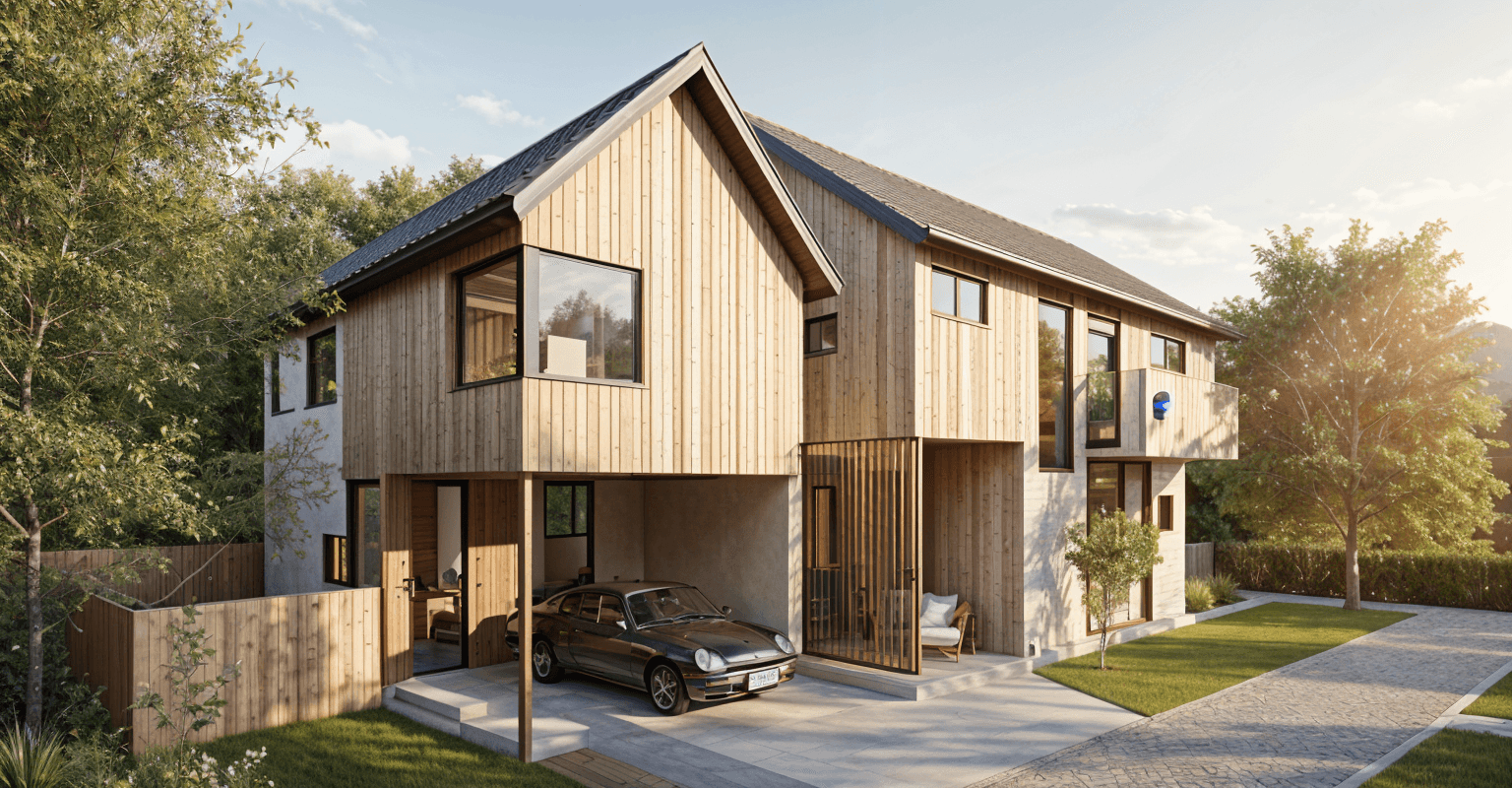
Urban infill in Austin and Houston. Both cities have aging housing stock in desirable inner-ring neighborhoods, and both have regulatory environments that increasingly support density. Austin's HOME Initiative and Houston's lack of traditional zoning create different but equally compelling infill dynamics. Investors who understand entitlements and can execute on smaller, design-forward projects are finding strong risk-adjusted returns in the $500K to $1.2M price range.
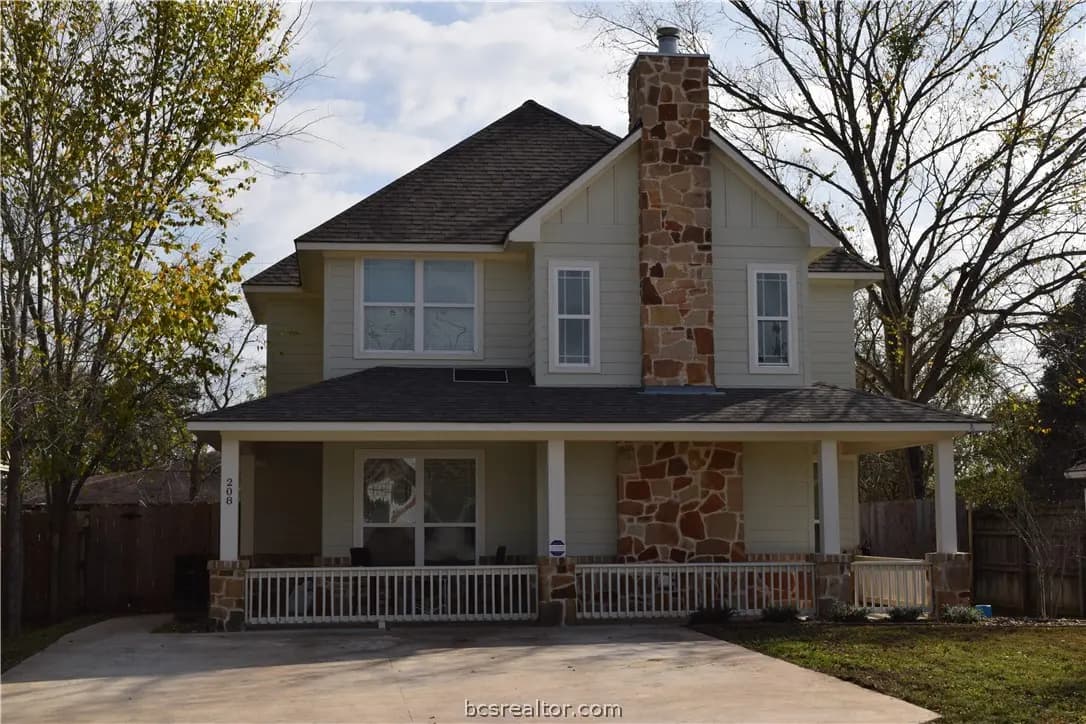
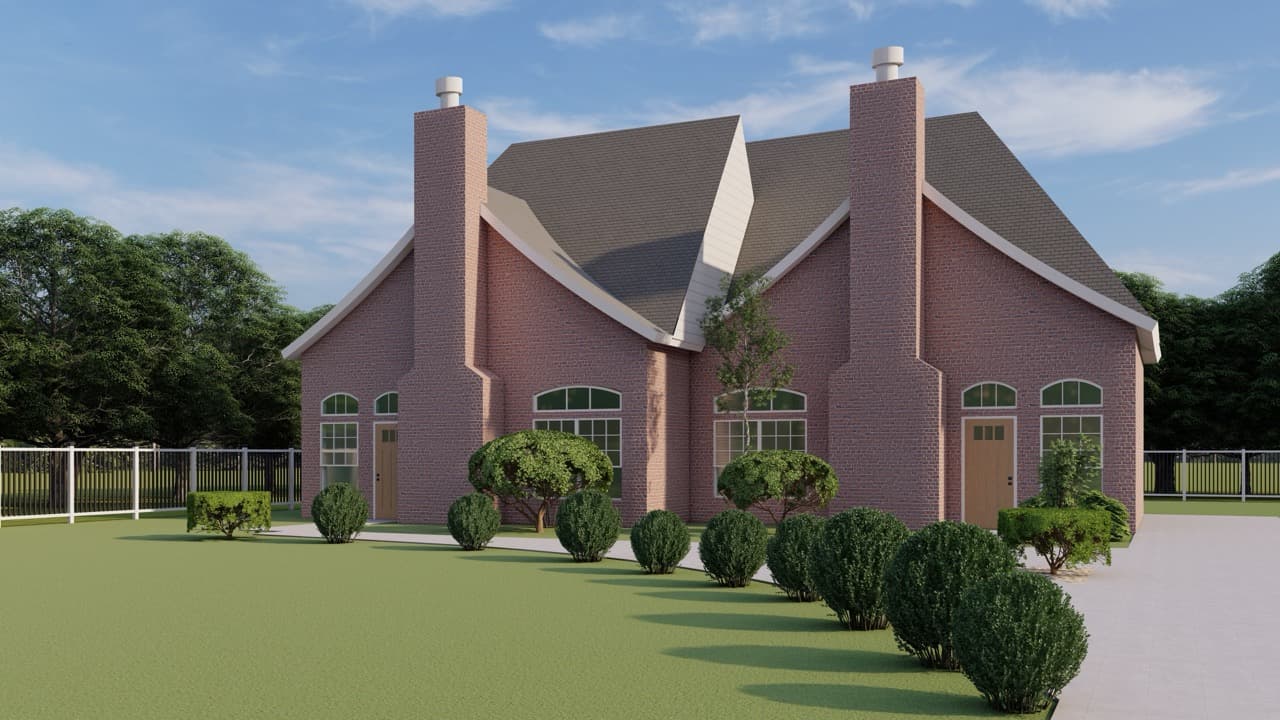
Build-to-rent in secondary metros. San Antonio, New Braunfels, and the I-35 corridor between Austin and San Antonio continue to attract build-to-rent capital. Rental demand remains elevated as mortgage rates hover near 6.5%, keeping would-be buyers in the rental market longer. Purpose-built rental communities with modern finishes are commanding $1,800 to $2,400 per month in these markets, with cap rates between 5.5% and 6.5%.
Value-add multifamily with caution. The multifamily sector in Texas went through a supply wave from 2023 to 2025 that depressed occupancy rates in several submarkets. Dallas-Fort Worth saw the most new apartment deliveries of any metro in the country. As of mid-2026, concessions are still elevated in oversupplied pockets. However, well-located Class B properties in supply-constrained corridors are beginning to stabilize, and pricing has come down 15% to 20% from 2022 peaks, creating acquisition opportunities for patient capital.
What Is Not Working
Speculative land plays on the fringe. The era of buying raw land 45 minutes outside a metro and banking on appreciation has lost its edge. Infrastructure costs have risen 30% since 2020, entitlement timelines have lengthened, and buyer demand has shifted back toward established areas. Outlying lots that traded at $80,000 to $120,000 per acre in 2022 are sitting at similar or lower prices today with fewer buyers.
Luxury spec builds without a buyer pipeline. In Austin, the $1.5M-plus spec market has softened noticeably. Days on market for luxury new construction in west Austin and Westlake have stretched beyond 120 days in several cases. The buyers at that price point are more discerning, less motivated by FOMO, and increasingly willing to negotiate. Developers without strong brokerage relationships to move these homes quickly are carrying costs that erode margins.
The Operator Advantage
The common thread across every strategy that is working in 2026 is operational competence. The easy-money era rewarded speed and aggression. This era rewards precision: accurate underwriting, disciplined construction management, thoughtful design, and genuine market knowledge.
Investors who partner with operators who actually build, sell, and manage properties in their markets have a structural edge over those relying on spreadsheets and third-party property managers they have never met in person.
How We Think About It
At Oak Forest Realty, we operate across both Austin and Houston with a focus on residential development and brokerage. Our investment thesis is simple: build what people actually want to live in, in locations where demand is structurally supported, and execute with enough discipline that the project performs regardless of whether the market cooperates.
Texas remains one of the best states in the country to invest in real estate. But the bar for execution has risen. The operators who have adapted are the ones delivering consistent returns. The ones who have not are the ones sitting on listings and wondering what happened.
Looking to invest in Texas real estate?
We work with investors and development partners across Austin and Houston. If you are exploring opportunities in the Texas market, reach out and let us know what you are working on.
Get in Touch