
Austin vs. Houston: Where Should You Invest in Texas Real Estate?
This is probably the most common question we hear from investors exploring the Texas market for the first time. Austin or Houston? The honest answer is that both markets are strong, but they reward very different strategies and operator profiles. Choosing the wrong market for your approach is a faster path to underperformance than choosing the wrong property.
We operate in both cities, so this is not a theoretical exercise. Here is how we think about the comparison based on what we see on the ground.
Market Size and Depth
Houston is the fourth-largest city in the United States and the largest metro in Texas, with a population exceeding 7.3 million. The Greater Houston Partnership reported over $28 billion in capital investment commitments to the region in 2025 alone, driven by energy, healthcare, manufacturing, and logistics.
Austin's metro population sits around 2.4 million, roughly a third of Houston's. But Austin consistently ranks among the top three metros nationally for population growth rate, tech employment density, and venture capital per capita. The city punches well above its weight in terms of economic dynamism relative to its size.
For investors, this difference matters. Houston offers depth and diversification. You can find deals across a much wider range of price points, asset classes, and submarkets. Austin offers concentration and premium pricing, but with a narrower margin for error.
Pricing and Entry Points
The median home price in Houston as of Q1 2026 is approximately $335,000. In Austin, it is roughly $520,000. That gap tells a clear story about entry points, but it only scratches the surface.
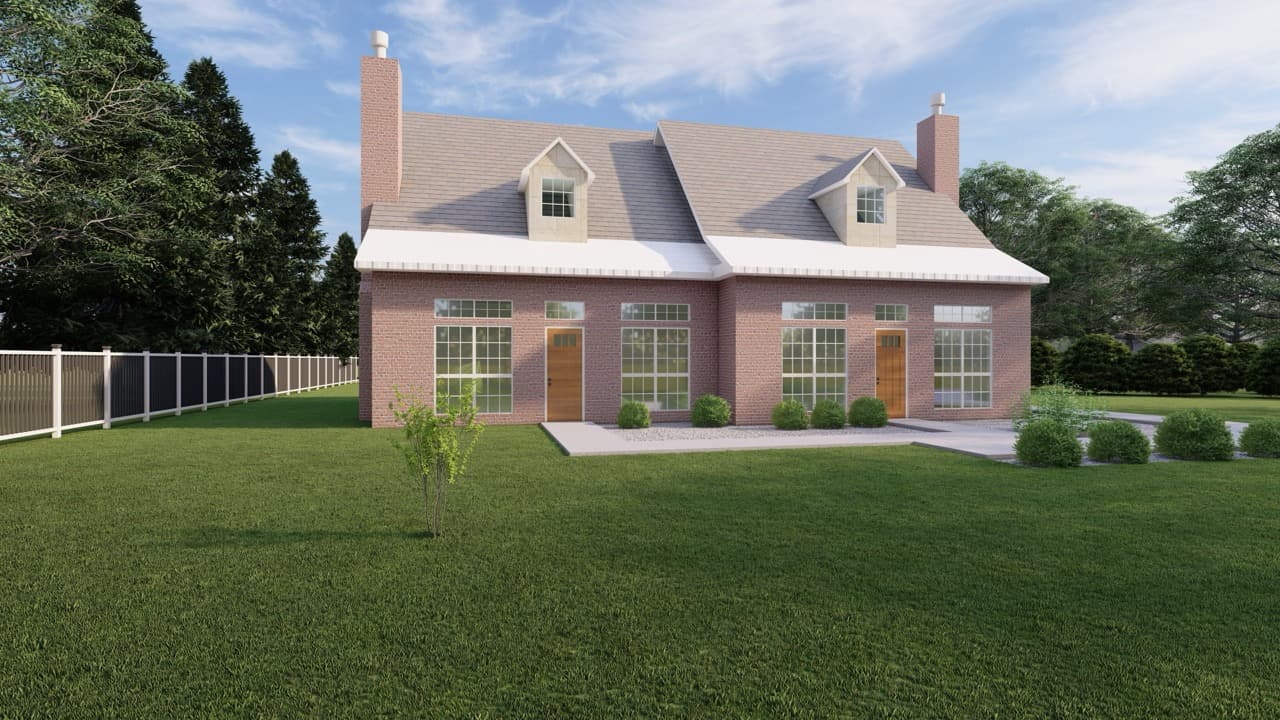
In Houston, an investor can acquire a teardown lot in a desirable inner-loop neighborhood like the Heights, Montrose, or Oak Forest for $250,000 to $450,000 and build a product that sells for $650,000 to $900,000. The all-in basis relative to the exit price leaves room for error.
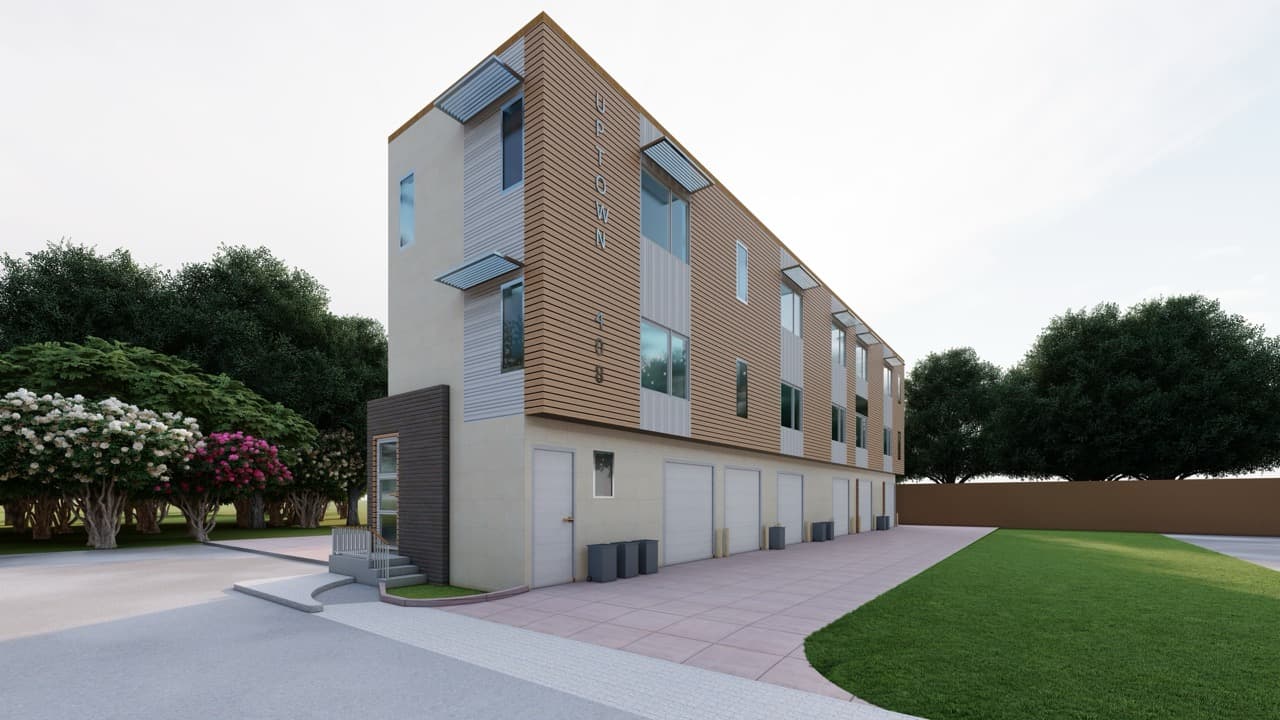
In Austin, comparable infill lots in neighborhoods like Bouldin Creek, Zilker, or Cherrywood now trade for $400,000 to $750,000, with finished product selling for $800,000 to $1.4 million. The margins can be higher in absolute dollars, but the capital requirements are steeper and the carrying costs during construction are more punishing if the project takes longer than expected.
Regulatory Environment
This is where the two cities diverge most sharply. Houston famously has no traditional zoning code. Development is governed by deed restrictions, lot-size minimums, setback requirements, and parking regulations, but there is no use-based zoning map. For developers, this means faster entitlements and more flexibility in what you can build on a given parcel.
Austin, by contrast, has a layered regulatory environment that includes base zoning, neighborhood plan overlays, compatibility standards, and heritage tree ordinances. The HOME Initiative loosened density restrictions, but the permitting process remains slower and less predictable than Houston's. Projects that would take 60 days to permit in Houston can take 120 to 180 days in Austin, depending on complexity.
For operators who value speed and volume, Houston is the easier market to execute in. For operators who prioritize premium pricing and are willing to navigate more complexity, Austin rewards patience with higher per-unit returns.
Risk Profiles
Houston's economy is more diversified than it was a decade ago, but energy still accounts for a meaningful share of employment and corporate activity. A sustained downturn in oil prices creates headwinds that Austin does not face. Houston is also more exposed to weather risk, with flood insurance and drainage engineering adding costs that do not exist in Austin.
Austin's risk profile is tied more closely to the tech sector. The layoffs of 2022 and 2023 demonstrated that Austin's market is not immune to tech corrections, though the city recovered faster than most expected. The bigger ongoing risk in Austin is affordability compression. As prices rise, the pool of qualified buyers at higher price points narrows, and projects that overshoot on pricing can sit.
The Right Answer Depends on You
If you have $300,000 to $500,000 in deployable capital and want to build a portfolio of rental properties or execute value-add flips with manageable risk, Houston is likely the stronger starting point. The entry costs are lower, the deal flow is deeper, and the regulatory friction is minimal.
If you have $500,000 to $1 million or more and want to develop or invest in premium residential product where design and location create defensible value, Austin offers returns that are hard to replicate elsewhere in Texas.
The smartest investors we work with do not choose one or the other. They allocate across both markets based on the specific opportunity and their current portfolio composition.
How Oak Forest Operates in Both Markets
Oak Forest Realty was founded in Houston and expanded into Austin because we saw the complementary nature of the two markets firsthand. Our Houston operations focus on inner-loop development and brokerage in neighborhoods we know deeply. Our Austin operations target infill development and buyer representation in the city's most supply-constrained corridors.
Having a presence in both cities gives us and our investment partners a broader set of options, better market intelligence, and the ability to allocate capital where the risk-adjusted returns are strongest at any given moment.
Exploring investment in Austin or Houston?
We can help you evaluate opportunities in both markets based on your capital, timeline, and risk tolerance. Let us know where you are in the process.
Get in Touch