Why Infill Development Is the Smartest Play in Austin Real Estate
Austin added over 180,000 residents between 2020 and 2025, but the city's geographic footprint barely expanded. The corridor from Manor to Dripping Springs is still growing outward, sure. But the most compelling development opportunities today are not on the fringe. They are on underutilized lots inside established neighborhoods where infrastructure, demand, and walkability already exist.
That is the core thesis behind infill development, and it is reshaping how serious operators approach the Austin market.
What Infill Development Actually Means
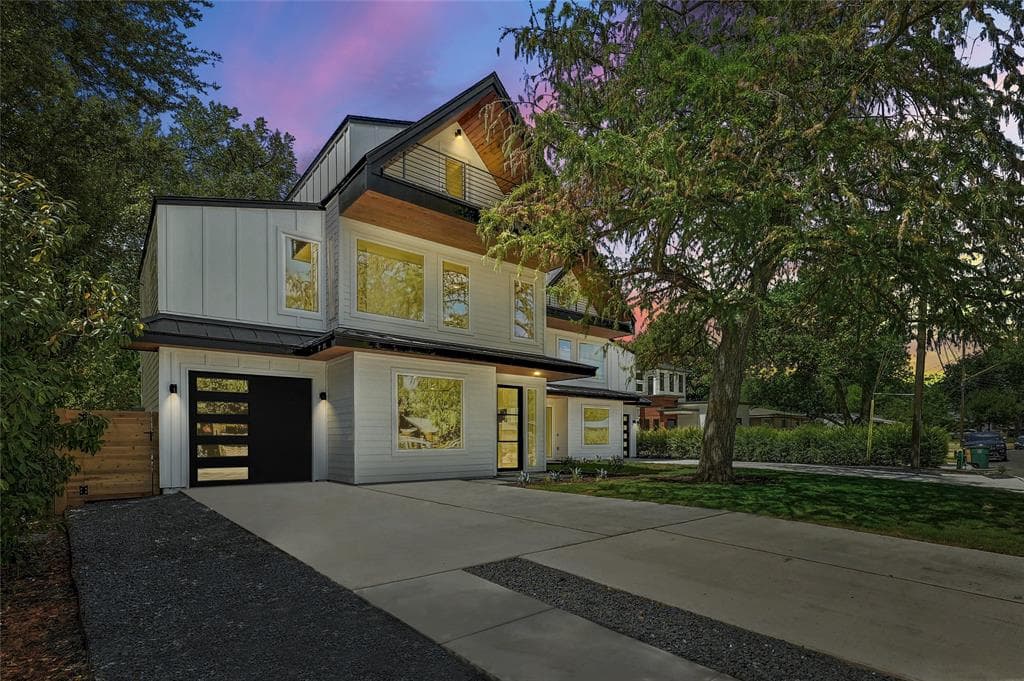
Infill development is the process of building new residential or mixed-use projects on vacant or underperforming parcels within already-developed areas. Think tear-downs of aging single-family homes replaced by modern duplexes or small-lot single-family builds. Think corner lots near South Lamar or East Cesar Chavez that sat empty for years, now supporting three-story townhomes.
Unlike greenfield suburban development, infill does not require extending utilities, roads, or municipal services. The infrastructure is already paid for. The schools are already built. The demand is already proven by the existing neighborhood's sales comps and rental rates.
Why Austin Is Uniquely Suited for Infill
Several structural factors make Austin one of the strongest infill markets in the country right now.
Land-constrained core. Austin's central neighborhoods are bounded by the Colorado River, the Balcones Escarpment, and MoPac. There is no way to manufacture more land in 78704, 78702, or 78751. Every teardown or vacant lot that gets developed removes one more piece of available inventory from a permanently supply-constrained area.
Zoning reform momentum. The HOME Initiative, passed in late 2023, allows up to three units on most single-family lots across the city. This single policy change unlocked thousands of parcels that were previously unbuildable for anything other than a single-family replacement. Developers who understood the implications early gained a significant advantage in lot acquisition.
Buyer preferences have shifted. Austin's core demographic of tech professionals, remote workers, and dual-income households increasingly prioritize location over square footage. A 1,600-square-foot new build in Bouldin Creek will outsell a 2,800-square-foot home in Pflugerville at comparable or higher price-per-foot, and it will do so faster.
The Numbers Behind the Strategy
In Q1 2026, median price per square foot in Austin's urban core (zip codes 78701, 78702, 78704, 78751, 78756) ranged from $450 to $620. Meanwhile, all-in construction costs for a well-designed infill project typically land between $180 and $240 per square foot, depending on finishes and site conditions. Even after factoring in lot acquisition costs of $350,000 to $700,000 for teardown parcels, the margins are strong for operators who control their construction timelines and design around what buyers actually want.
Compare that to suburban spec development, where price per square foot has compressed to $220 to $280 in many outer-ring submarkets, and builders are competing with national production builders on price. The math favors infill, particularly for smaller, nimble developers who cannot compete on volume.
Where the Risk Lives
Infill is not without complexity. Older neighborhoods mean older infrastructure, which can create unexpected costs around drainage, tree preservation, and foundation engineering. Permitting timelines in Austin remain unpredictable, particularly for projects that require variances or sit within neighborhood plan overlays.
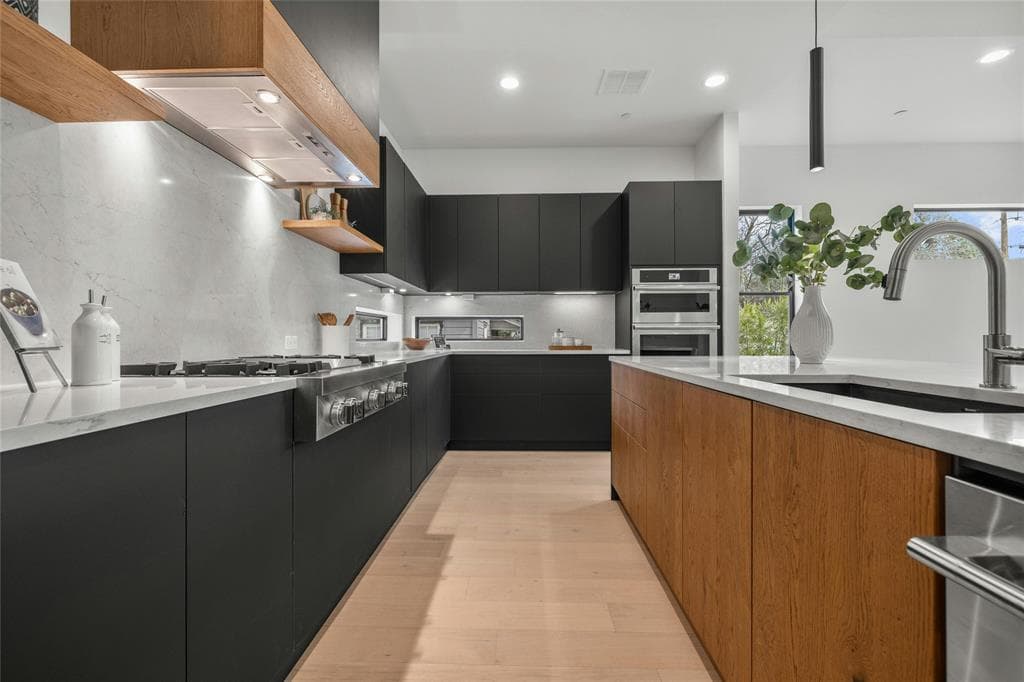
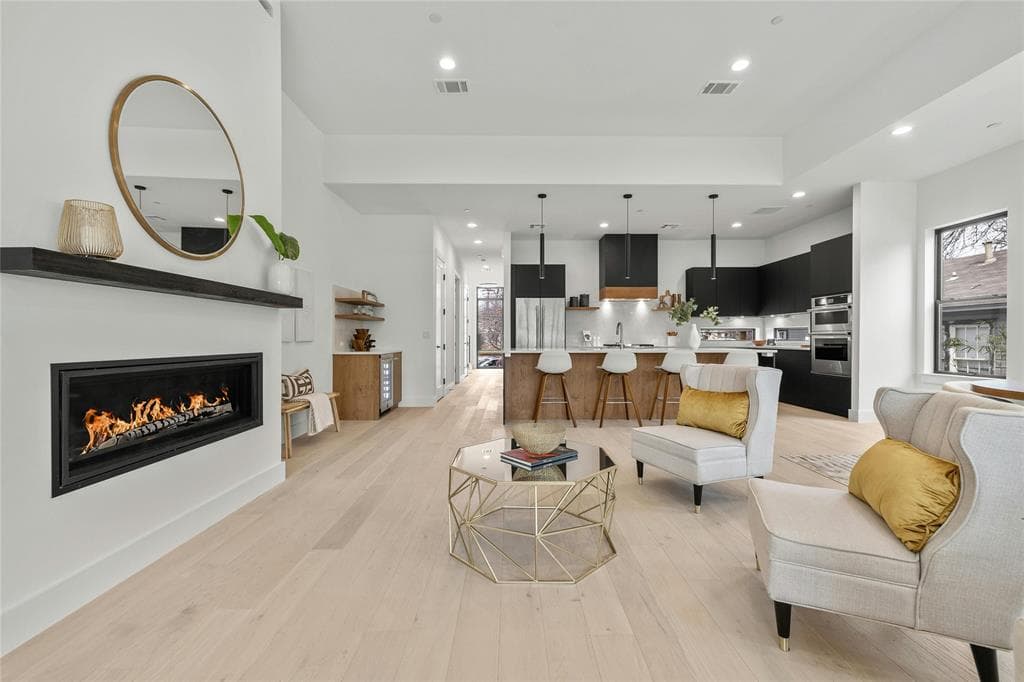
The biggest risk, though, is design. In a market where buyers are paying a premium for location, they expect the product to match. A poorly designed infill home will sit on the market while its well-designed neighbor closes in three weeks. We see this consistently across our own projects and in the broader MLS data.
How Oak Forest Approaches Infill
At Oak Forest Realty, infill development is not a side strategy. It is central to how we operate in Austin. We source off-market lots in established neighborhoods, partner with architects who understand how to maximize value on constrained sites, and build homes designed around real buyer behavior rather than builder convenience.
Every project starts with a market study of the immediate area: what sold, what sat, what the buyer profile looks like, and what the competitive set is missing. That upfront discipline is what separates a project that closes in 30 days from one that requires multiple price reductions.
Austin's infill opportunity is not a trend. It is a structural shift driven by demographics, policy, and geography. The developers who recognize that and build accordingly will be the ones still standing when the next cycle turns.
Interested in Austin infill opportunities?
Whether you are an investor looking at development partnerships or a buyer seeking a well-designed urban home, we would welcome the conversation.
Get in Touch